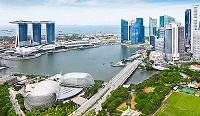









For one hour each year, skylines around the world go dark as people switch off their lights for Earth Hour, observed at 8.30pm on the last Saturday of March. While the gesture is symbolic, it offers a timely moment to reflect on something we rarely stop to think about in our daily lives — just how much electricity powers modern living.


- About EMA
- Our Energy Story
- Consumer Information
- Regulations & Licences
- News & Events
- Partnerships
eSERVICES
Get quick access to EMA’s services for application of worker licences, scholarships and more.
Featured Stories
24 Mar 2026
Share


From the moment we switch on a light to when businesses power their operations late into the night, electricity quietly supports almost every aspect of daily life. Behind the scenes, however, keeping electricity flowing reliably across the island requires careful planning and constant coordination.
Anticipating Singapore’s Energy Needs
Unlike many other resources, electricity must be produced and delivered at the exact moment it is needed. If demand rises suddenly, for example, during a hot afternoon when many air-conditioners are switched on, the power system must be ready to respond immediately.
To ensure Singapore’s power system remains reliable, the Energy Market Authority (EMA) closely monitors and forecasts electricity demand across the country. This involves analysing a wide range of factors, from population growth and economic activity to weather patterns and emerging industries such as data centres, which are increasingly energy intensive.
These insights allow EMA to anticipate how electricity demand may evolve in the years ahead. By understanding future demand patterns, EMA can plan when new power generation capacity or energy infrastructure will be needed, ensuring Singapore continues to have sufficient and reliable electricity supply.
This forward planning is essential for a small and densely populated city-state like Singapore. It allows the country to balance the need for reliable electricity with the efficient use of resources, avoiding unnecessary infrastructure while maintaining a stable power system.
Managing Demand More Efficiently
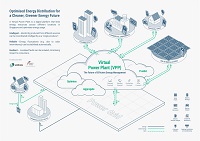
Beyond infrastructure planning, Singapore also encourages business consumers to optimise their energy usage through demand side management measures such as the Demand Response programme.
The Demand Response programme allows companies that use large amounts of electricity to adjust when they use it, especially during periods of peak demand.
For example, commercial buildings may reduce or shift their cooling needs, while some industrial operations can be rescheduled to run during off-peak hours.
By doing so, these businesses could help ease pressure on the power grid when demand is high. In addition to receiving financial incentives, they can also better manage their electricity costs by reducing usage during periods when prices are typically higher.
Every Action Counts
While national planning and industry participation play an important role, individuals also contribute to managing electricity demand.
In homes, appliances such as air-conditioners, refrigerators and lighting account for a significant share of electricity use. Simple actions, such as setting air-conditioner temperature to 25 degrees Celsius, choosing more energy-efficient appliances or switching off unused devices, can help reduce energy consumption. These everyday choices may seem small, but they can add up and affect overall electricity consumption.

A Shared Effort
Maintaining a reliable and sustainable energy system requires effort at many levels — from national planning and industry initiatives to everyday actions in homes and workplaces.

Moments like Earth Hour offer a reminder that electricity powers much of what we do. By being mindful of how we use energy and supporting initiatives that improve efficiency, we can all play a part in building a more resilient energy future for Singapore.
Enjoyed this read?
Join our EMA website mailing list here to receive the latest stories and updates directly to your inbox. Stay informed about recent developments and content from EMA.